

What Questions Should You Ask Before Choosing a Phonics Course?
Phonics is the foundation of reading & writing, especially for young learners. It helps children connect sounds with letters, decode words, and become confident readers. But with so many phonics programs available, how do you choose the right one? If you’re a parent looking for phonics courses in JVC, asking the right questions before enrolling can make all the difference in your child’s literacy journey.
Here are the key questions you should ask before making a decision:

1.What Is the Teaching Approach Used in the Course?
There are different phonics methods—synthetic phonics, analytic phonics, embedded phonics, and more. Each has its own strengths. Synthetic phonics, for example, is widely recommended because it teaches children to convert letters into sounds (phonemes) and blend them to form words.
Ask: Is the course based on a proven phonics methodology? Is it aligned with how children naturally learn?
2.What Qualifications and Experience Do the Instructors Have?
The excellence of instruction plays a critical role in your child’s learning success. Skilled educators not only understand phonics theory but also know how to engage young learners and adjust teaching styles to suit dissimilar learning needs.
Ask: Are the phonics instructors certified and experienced in early childhood education? Do they undergo regular training?
3.How Are Lessons Delivered—In Person, Online, or Both?
In JVC, many learning centers offer both in-person and online phonics course programs. While physical classes promote better engagement, some families may prefer the convenience of online learning.
Ask: What are the modes of instruction available? Is the course flexible enough to suit my schedule?
Also inquire whether online sessions include live interactions, digital worksheets, or progress tracking.
4.What Materials and Tools Are Used in the Program?
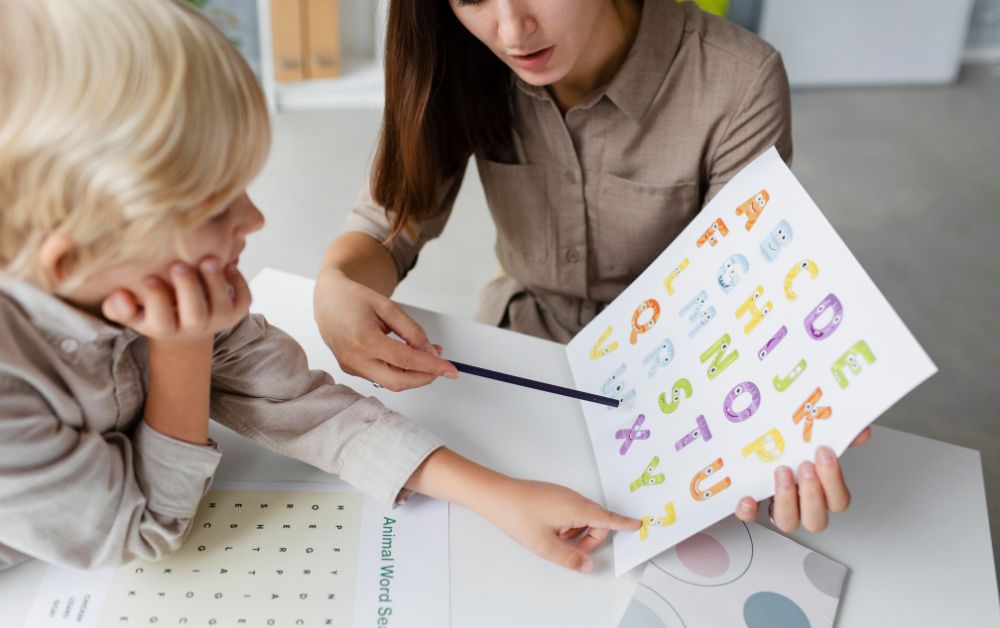
Effective phonics programs use a mix of visual aids, worksheets, games, songs, and reading materials. Engaging resources help reinforce concepts and keep kids motivated.
Ask: Does the course include a variety of learning tools? Are take-home materials provided for revision?
Programs that blend play with learning tend to be more effective for younger children.
5.Is Progress Tracked and Shared with Parents?
Parents play a key role in reinforcing learning at home. To do that effectively, you need regular feedback about your child’s progress.
Ask: How is student progress monitored? Are there regular updates, reports, or parent-teacher meetings?
Look for courses that offer measurable milestones, assessments, and personalized feedback.
6.How Large Are the Class Sizes?
In early education, attention matters. Smaller class sizes usually mean more individualized support and a better teacher-student ratio.
Ask: What is the maximum number of students per session? Will my child receive personal attention?
This is particularly important for children who may be shy, struggling with certain sounds, or just starting their phonics journey.
7.Are There Opportunities for Reinforcement at Home?
Repetition is key to mastering phonics. The more your child practices at home, the better the retention and confidence.
Ask: Does the course provide home assignments or activities for parents to use?
Courses that involve parents in the learning process often see better results.
8.What Are the Course Duration and Timetable Options?
Every family has different schedules and commitments. A good phonics course program should offer flexible timings, especially for working parents or children already attending nursery or school.
Ask: Is the course available on weekends or after-school hours? How long is each session, and how many weeks does the course run?
9.What Do Other Parents Say About the Course?
Word-of-mouth and reviews can be very helpful. Speak to other parents or check testimonials to gauge overall satisfaction, teaching quality, and student progress.
Ask: Are there parent testimonials or case studies available? Can I attend a trial class or orientation session?
A trial class is a great way to evaluate whether the teaching style and atmosphere suit your child.
In Conclusion
Choosing the right phonics program can shape your child’s literacy foundation for years to come. By asking the right questions, you ensure that your child receives structured, engaging, and effective learning support. If you’re searching for quality phonics courses in JVC, taking time to evaluate your options will go a long way in building your child’s reading confidence.
At Eryx Training Center in JVC, we offer personalized, age-appropriate phonics courses led by experienced instructors, ensuring every child develops strong reading skills from the start.